
The feature I'm proudest of (and it's not the AI)
People usually assume the answer to "what are you proudest of" is Lutey, the AI assistant. It's a fair guess — it's the flashiest thing we've built. But if I'm honest, the thing I'd point to first is the matter cards.
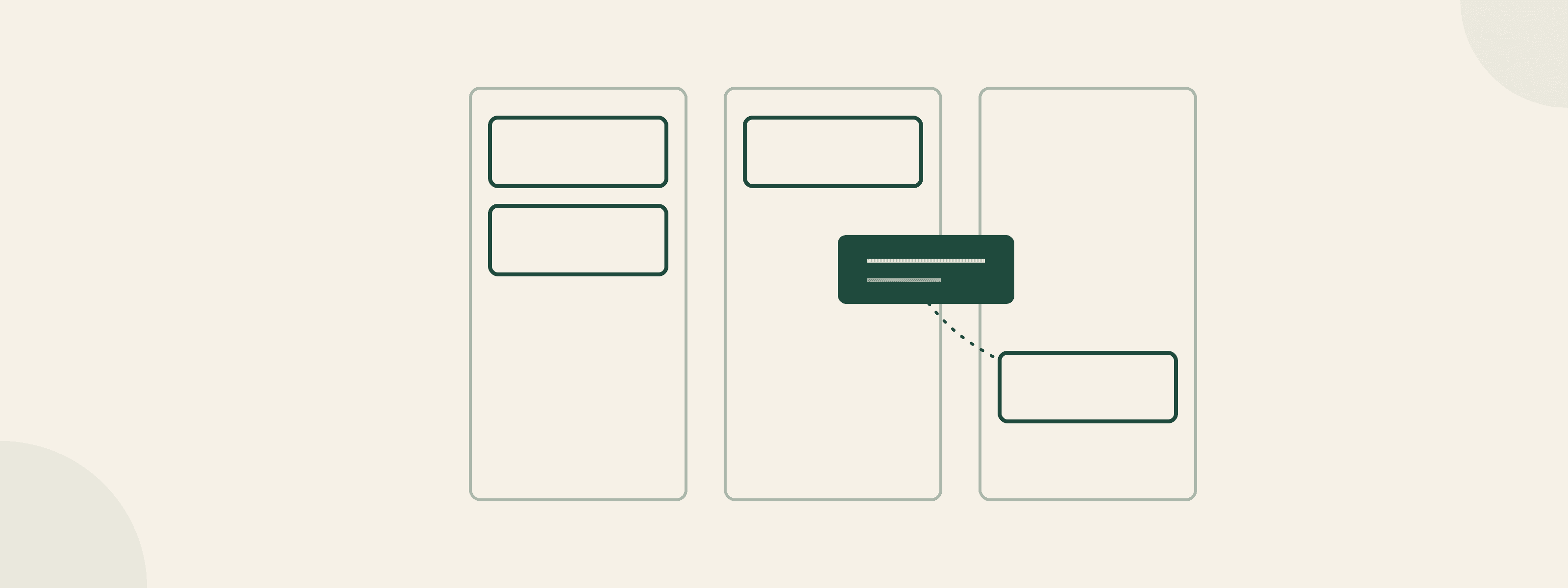
A matter card sounds like a small thing. It's just a visual representation of a piece of work, moving through stages, with the people and dates attached to it. But that small thing replaces the sticky note, the mental to-do list, the "I think Sarah's handling that" uncertainty that used to eat a firm's time. It gives a team something a case file on a shared drive never could: a shape you can see at a glance, from across the room or across the firm.
Lutey exists on top of that, not instead of it. And this is the part I care about most, and won't compromise on: Lutey is there to help with the task, not to replace a lawyer or their skill set. It won't give a client-specific legal opinion. It won't guess at a citation to sound helpful. It drafts, it summarises, it nudges, it flags — and then it hands the actual legal judgement back to the person trained to make it, every single time.
I've had conversations with people in the legal profession who are, reasonably, nervous about AI in their industry. My answer to that nervousness isn't a promise — it's the architecture. Lutey's guardrails aren't a setting you can turn off if the product needs a shortcut. They're structural. That's a deliberate choice, and it's the one I'm most protective of.
“Lutey is there to help with the task. It is not there to replace a lawyer, or their skill set.”